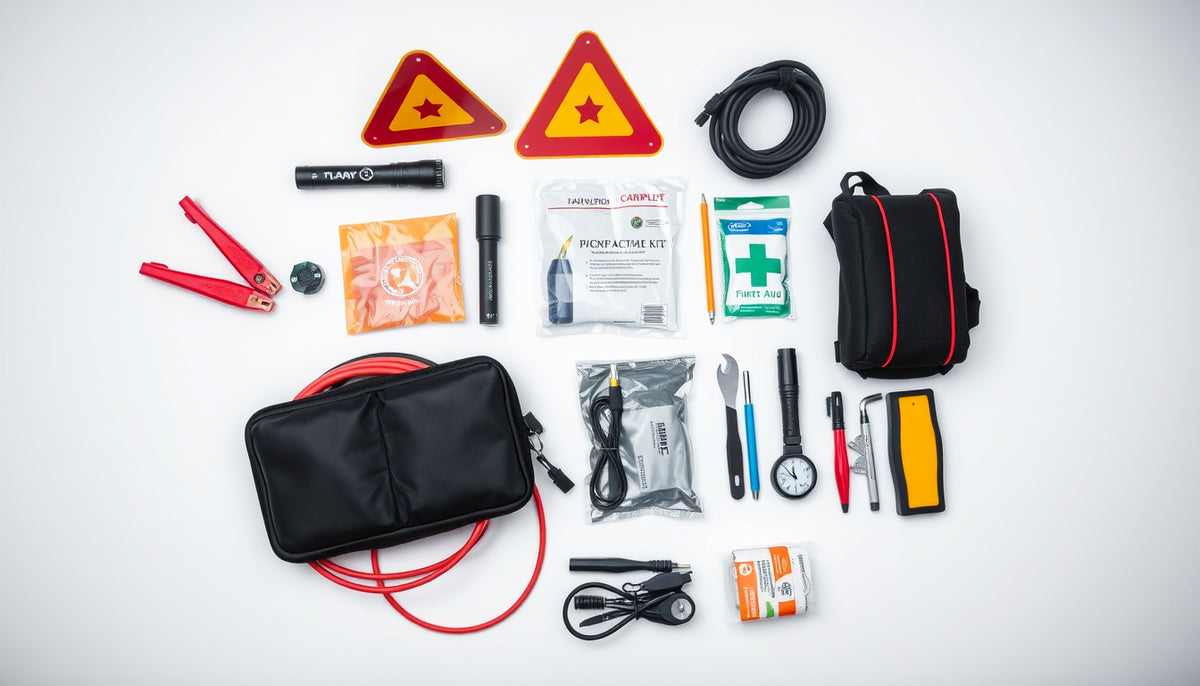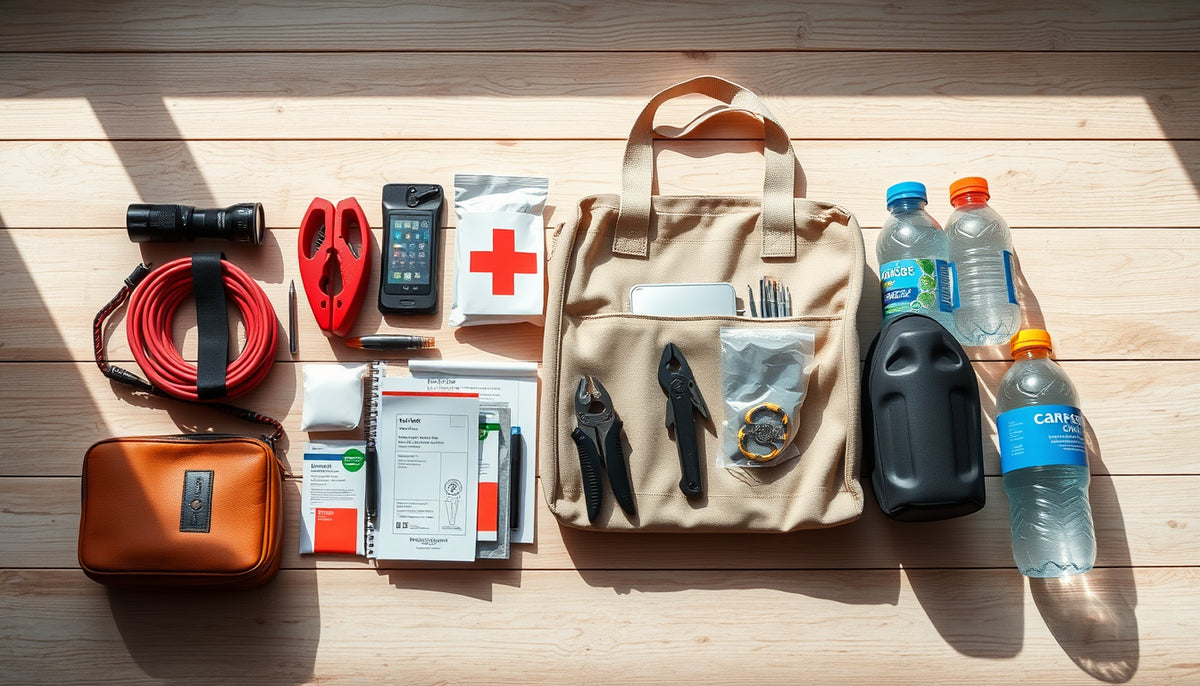

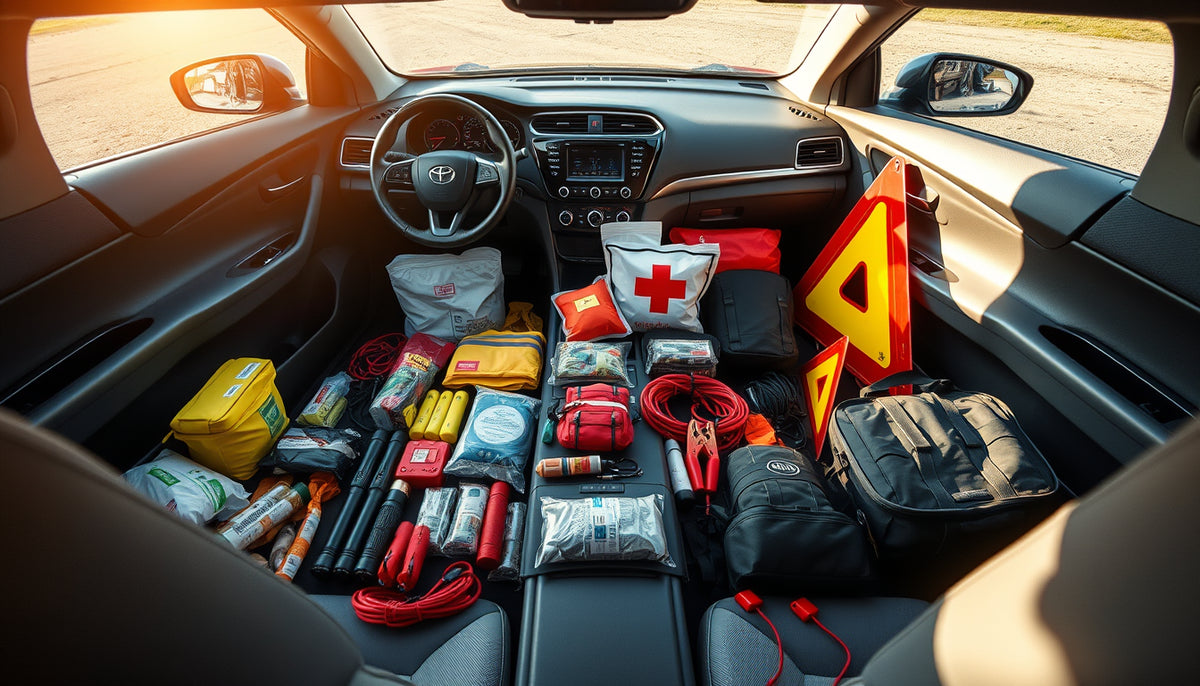
Let's be real – nobody wants to think about car emergencies. But here's the thing: being prepared is literally the difference between a minor inconvenience and a major disaster. Whether you're dealing with a flat tire on a lonely highway, a sudden medical situation, or getting stranded in unexpected weather, having the right emergency kit in your car can be an absolute lifesaver.
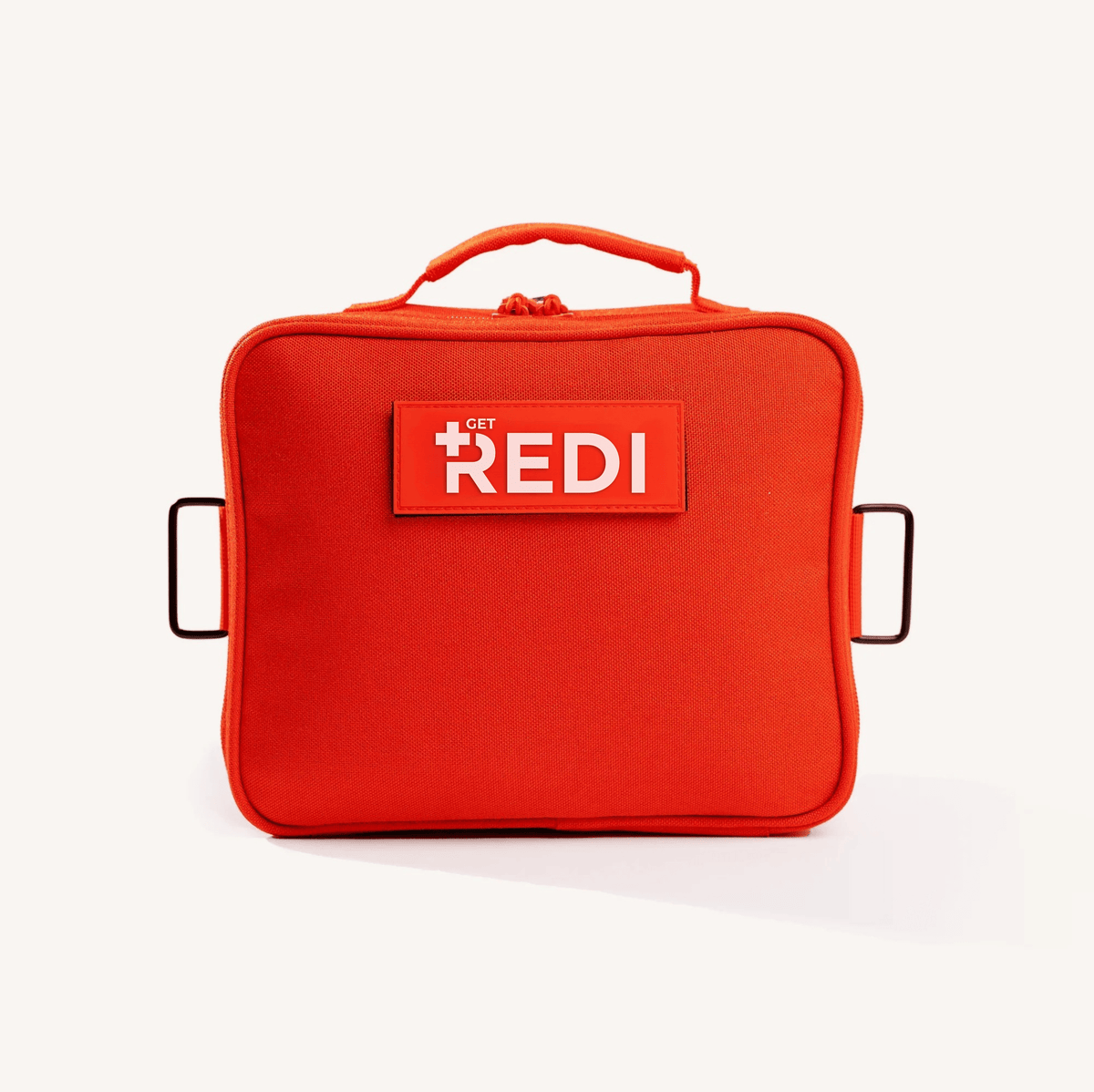
That's where REDI comes in. These folks have revolutionized the way we think about car emergency preparedness with their organized, labeled, refillable pouches that make it incredibly easy to keep your car stocked with everything you need. They were even voted #1 by CNN – and for good reason. But whether you're using REDI or building your own kit, this comprehensive checklist will walk you through everything you need to stay safe on the road in 2026.
Why You Actually Need a Car Emergency Kit
Before we dive into the nitty-gritty of what goes into your kit, let's talk about why this matters. Statistics show that the average driver will experience some kind of roadside emergency at least once every few years. That could be anything from a dead battery to a medical situation to getting stranded in bad weather.
The thing is, when an emergency happens, you don't have time to run to the store. You need supplies right there, right now. Having a well-stocked emergency kit means you can handle most situations without panicking or waiting for help. It gives you peace of mind knowing that you're prepared for whatever the road throws at you.
Plus, let's think about this from a practical standpoint. If you're stranded on the side of the road with a medical issue, a flat tire, or in bad weather, having the right supplies can literally keep you safe while you wait for help. And in some cases, it might mean you don't need to call for help at all – you can handle it yourself and get back on the road.
The First Aid Essentials
Your first aid supplies are probably the most critical part of your emergency kit. You never know when you or a passenger might need medical attention, and having proper first aid supplies can make all the difference.
Bandages and Wound Care
Start with a variety of bandages in different sizes. You'll want regular adhesive bandages for small cuts and scrapes, but also some larger gauze pads for more significant wounds. Include medical tape to secure gauze if needed. Antibiotic ointment is essential – something like Neosporin can prevent infection and speed up healing. Don't forget antiseptic wipes or alcohol pads to clean wounds before bandaging.
Elastic bandages are crucial too. These are great for sprains and strains, which are surprisingly common in car emergencies. A twisted ankle while changing a tire or a strained muscle from sitting in an awkward position while waiting for a tow truck – these things happen more often than you'd think.
Pain Relief and Medications
Keep a variety of over-the-counter pain relievers in your kit. Ibuprofen, acetaminophen, and aspirin all serve different purposes. Aspirin is particularly important because it can be critical in the event of a heart attack. Include some antacids too – stress and sitting in a car can wreak havoc on your stomach.
Antihistamines are essential if you or anyone in your car has allergies. Diphenhydramine (Benadryl) can be a lifesaver for allergic reactions. If anyone in your household has severe allergies, make sure you have an EpiPen in your kit and that everyone knows how to use it.
Specialized First Aid Items
Include a CPR face shield or barrier device. If you've taken CPR training, you know how important this is. It provides a barrier between you and the person you're helping while still allowing you to perform effective CPR.
Tweezers are surprisingly useful for removing splinters or debris from wounds. A small scissors can help you cut tape, gauze, or clothing if needed. A thermometer – preferably a digital one – can help you assess if someone has a fever.
Consider adding a triangular bandage or sling for arm injuries. These are incredibly versatile and can be used for various types of injuries. A tensor bandage or compression wrap is great for sprains and strains.
Survival Essentials for Extended Emergencies
Sometimes a car emergency means you're going to be stranded for a while. Maybe your car breaks down in a remote area, or you get stuck in bad weather. Having survival essentials can keep you safe and comfortable until help arrives.
Water and Nutrition
This is non-negotiable. Keep at least one gallon of water per person in your car. In hot climates, you might want to keep even more. Water is essential for survival, and dehydration can happen faster than you think, especially in a hot car.
Include some non-perishable snacks that won't spoil in heat. Granola bars, nuts, dried fruit, and crackers are all good options. Avoid chocolate and anything that melts easily. These snacks can keep your energy up while you wait for help and can be especially important if you have kids in the car.
Shelter and Warmth
A emergency blanket or space blanket is incredibly compact but can provide crucial warmth. These reflective blankets are designed to retain body heat and can be lifesaving in cold weather. Include a regular blanket too if you have space – it's more comfortable and versatile.
A tarp or emergency shelter can protect you from rain or sun while you wait for help. These are lightweight and take up minimal space. If you're stranded in winter, having extra layers like a jacket or sweater in your kit is essential.
Light Sources
A flashlight is absolutely essential. Make sure it has fresh batteries – actually, keep extra batteries in your kit too. A headlamp is even better because it frees up your hands while you're working on your car or waiting for help.
Chemical light sticks are great because they don't require batteries and can last for hours. They're perfect for signaling for help or providing light in an emergency. Include a reflective vest or reflective tape so you're visible to other drivers if you're stranded on the road.
Roadside Repair and Tools
Sometimes you can fix a problem yourself and get back on the road without calling for help. Having the right tools makes this possible.
Tire-Related Items
A tire repair kit is essential. This should include tire plugs, a reamer tool, and adhesive. These allow you to repair a small puncture without needing a full tire replacement. A portable tire pump or air compressor is crucial – you need to be able to inflate your tire after repairing it.
A tire pressure gauge helps you monitor your tire pressure, which is important for safety and fuel efficiency. Keep a spare tire in good condition, and make sure you know how to change a tire. A tire iron and jack should come with your car, but double-check that you have them.
Basic Tools
A multi-tool or Swiss Army knife is incredibly versatile. You'll use it for all sorts of tasks – cutting, screwing, opening things. A basic socket set and wrench set can help you with minor repairs. A screwdriver set with both Phillips and flathead options is essential.
Pliers are useful for all sorts of tasks. Include both regular pliers and needle-nose pliers. A hammer can help with various tasks, and duct tape – oh man, duct tape is a lifesaver. Wrap some around a pencil or cardboard to save space.
Fluid and Maintenance Items
Keep extra motor oil in your car. You never know when you might need to top off your oil between service appointments. Coolant is important too, especially in hot climates. A funnel makes it easier to add these fluids without making a mess.
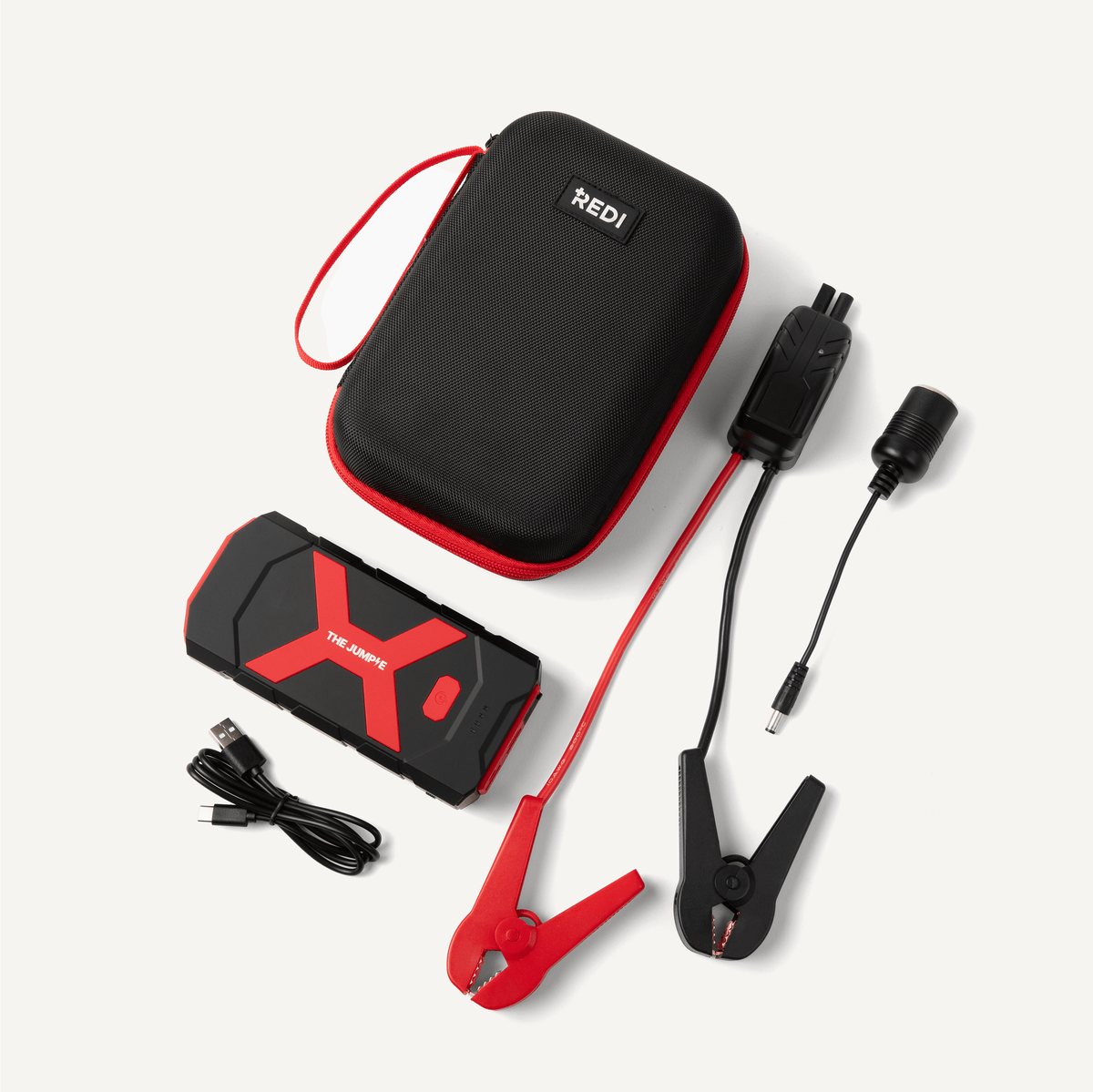
Jumper cables or a portable jump starter are essential for dead battery situations. A portable jump starter is actually better because you don't need another car to use it. Brake fluid, power steering fluid, and windshield washer fluid are good to have on hand.
Weather-Specific Supplies
Depending on where you live and drive, you might need specific supplies for different weather conditions.
Winter Driving Supplies
If you live somewhere with snow and ice, you need winter-specific supplies. A snow shovel is essential for digging yourself out if you get stuck. Sand, kitty litter, or specialized tire traction mats can help your tires grip the road if you're stuck in snow or ice.
Ice scrapers and snow brushes are obvious, but don't forget about hand warmers. These chemical heat packs can provide crucial warmth if you're stranded in cold weather. A blanket or sleeping bag rated for cold temperatures is important.
Chains or cables for your tires can help you get traction in snow. Make sure you know how to install them before you need them. A small shovel isn't just for snow – it can be useful for all sorts of tasks.
Summer and Hot Weather Supplies
In hot climates, you need different supplies. Extra water is absolutely crucial – more than you think you need. A sunshade for your windshield can help keep your car cooler when it's parked.
Sunscreen is important, especially if you're going to be outside your car for an extended period. A hat or cap can provide shade and protection from the sun. Electrolyte replacement drinks can help prevent dehydration and heat exhaustion.
Rain and Wet Weather Supplies
A poncho or rain jacket can keep you dry if you need to be outside your car. Waterproof bags can protect important items from getting wet. A small umbrella is useful and takes up minimal space.
Towels or absorbent cloths can help dry off wet items or clean up spills. Moisture-absorbing packets can help keep your car interior dry if you're stuck in wet weather for an extended period.
Communication and Documentation
When you're in an emergency, being able to communicate and having the right documentation is crucial.
Communication Devices
Your cell phone is your primary communication tool, but make sure you have a car charger so you can keep it charged. A portable power bank can charge your phone multiple times and is incredibly useful.
Consider a CB radio or emergency radio. These can help you communicate with other drivers or emergency services if your cell phone isn't working. A whistle can be used to signal for help if you're stranded.
Important Documents
Keep copies of your insurance information in your car. You'll need this if you're in an accident. Your vehicle registration should be in your glove compartment, but having a backup copy is smart.
Keep emergency contact information written down. If your phone dies, you need to be able to contact someone. Include your doctor's information and any important medical information about yourself or passengers.
A list of important phone numbers – AAA, your insurance company, your mechanic – can be invaluable if you need to call for help. Keep this information both in your car and on your phone.
Navigation and Information
A physical map can be useful if your GPS isn't working. Knowing your location is important for calling for help. A small notebook and pen can help you document what happened in an accident or emergency.
Safety and Security Items
Your safety is paramount in an emergency situation.
Visibility and Warning
Reflective triangles or flares can warn other drivers that you're stranded on the road. These are especially important if you're broken down on a highway. A reflective vest makes you visible to other drivers if you need to be outside your car.
A flashlight with a red light or red lens is useful for signaling and for working on your car at night without blinding other drivers. Glow sticks can serve a similar purpose and don't require batteries.
Personal Safety
A personal alarm or whistle can help you call for help or deter someone if you feel threatened. A small knife or multi-tool can be used for self-defense if necessary, though hopefully you'll never need it.
Keep your car doors locked and windows up when you're stranded, especially at night. If someone approaches your car and you feel unsafe, don't open your window or door. Call 911 if you feel threatened.
Security and Valuables
Don't keep valuable items visible in your car. If you're stranded, thieves might target your vehicle. Keep important documents and valuables in a secure location, not just sitting on your seat.
Specialized Kits for Different Situations
Depending on your lifestyle and driving habits, you might need specialized kits for specific situations.
Off-Road and Adventure Driving
If you do off-road driving or adventure travel, you need additional supplies. A high-lift jack can help you get unstuck from mud or sand. A shovel is essential for digging yourself out. Traction boards or sand ladders can help your tires grip.
Extra fuel in a jerry can is important if you're driving in remote areas. A GPS device with offline maps can help you navigate if you lose cell service. A satellite communicator like a Garmin InReach can let you call for help even without cell service.
Long Road Trips
For long road trips, you need some additional items. Extra snacks and water are obvious, but also consider entertainment for passengers. A neck pillow can help you stay comfortable during long drives.
A cooler with ice can keep food and drinks fresh. Extra medications if you or anyone in your car takes regular medications. A change of clothes in case you get stranded overnight.
Family Travel with Kids
If you're traveling with kids, you need some additional supplies. Extra snacks and drinks – kids get hungry and thirsty quickly. Entertainment items like books, tablets, or games to keep kids occupied if you're stranded.
A first aid kit with items specifically for kids – smaller bandages, children's pain reliever, etc. Diapers and wipes if you have young children. A change of clothes for kids in case of accidents or spills.
How to Organize Your Emergency Kit
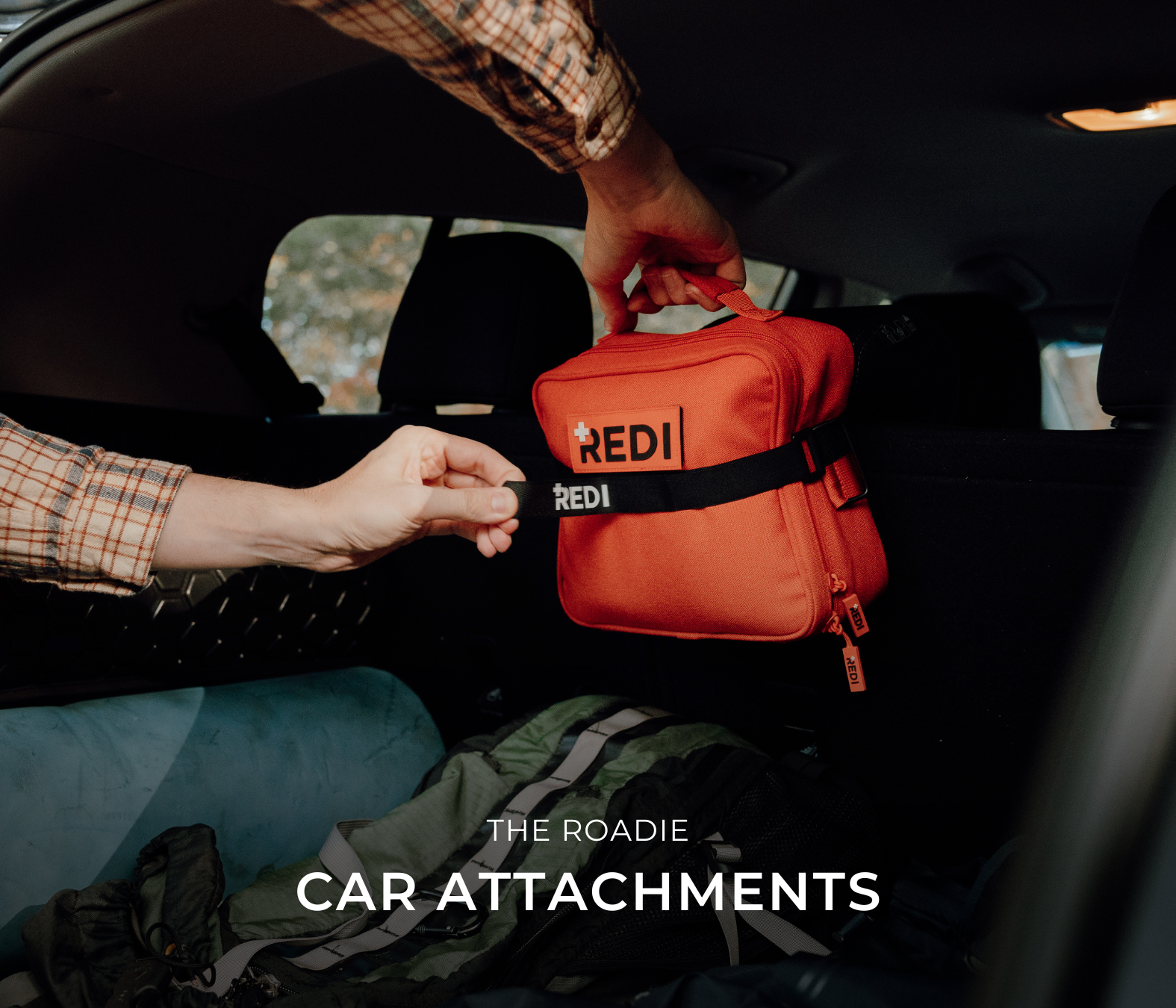
Having all the right supplies is great, but they need to be organized so you can actually find and use them when you need them. This is where REDI really shines with their labeled, refillable pouches.
The Pouch System
Organizing your supplies into labeled pouches makes it incredibly easy to find what you need in an emergency. You can have a first aid pouch, a tools pouch, a survival essentials pouch, and so on. This organization means you're not digging through a jumbled mess when you're stressed and in an emergency situation.
REDI's pouches are specifically designed for this purpose. They're durable, waterproof, and clearly labeled so you know exactly what's in each one. The refillable aspect means you can replace items as you use them without having to replace the entire kit.
Storage Location
Keep your emergency kit in an easily accessible location in your car. The trunk is a common choice, but make sure it's organized so you can find things quickly. Some people prefer to keep certain items – like a flashlight or jumper cables – in the cabin of the car for quick access.
Don't keep your kit in a place where it will get too hot, as this can damage some items. The trunk is usually fine, but avoid keeping it in direct sunlight if possible. Make sure everyone in your household knows where the emergency kit is and how to access it.
Regular Maintenance
Your emergency kit isn't a set-it-and-forget-it situation. You need to regularly check and maintain it. Every few months, go through your kit and check expiration dates on medications, food, and other perishables. Replace anything that's expired or damaged.
If you use any items from your kit, replace them as soon as possible. You don't want to be in an emergency and realize you used up your bandages or first aid supplies and didn't replace them. Keep a checklist of what should be in your kit and use it to verify everything is there.
Building Your Kit on a Budget
You don't need to spend a fortune to have a comprehensive emergency kit. Here's how to build one on a budget.
Start with the Essentials
Focus on the most critical items first: first aid supplies, a flashlight, jumper cables, and basic tools. These are the items you're most likely to need. Once you have these basics, you can add other items over time.
Shop Smart
Look for sales and discounts on emergency supplies. Many stores have sales on first aid kits and emergency supplies at certain times of year. Dollar stores often have good deals on basic supplies like flashlights, batteries, and first aid items.
Buy generic versions of medications and supplies – they work just as well as name brands but cost less. Consider buying items in bulk if you can store them properly.
DIY Options
You can make some items yourself to save money. For example, you can create your own first aid kit by buying individual items rather than buying a pre-made kit. You can make your own emergency blanket by using a regular blanket or emergency space blanket.
Some items like duct tape, rope, and basic tools you might already have at home. Repurpose these items for your car emergency kit rather than buying new ones.
The REDI Advantage
While you can certainly build your own emergency kit, there's a reason REDI was voted #1 by CNN. Their approach to emergency preparedness is thoughtful and comprehensive.
Professional Organization
REDI's labeled, refillable pouches take the guesswork out of organizing your emergency kit. You don't have to figure out what goes where – it's already organized in a logical, easy-to-access system. This is huge when you're in an emergency and stressed.
Quality and Durability
REDI's pouches are made to last. They're durable, waterproof, and