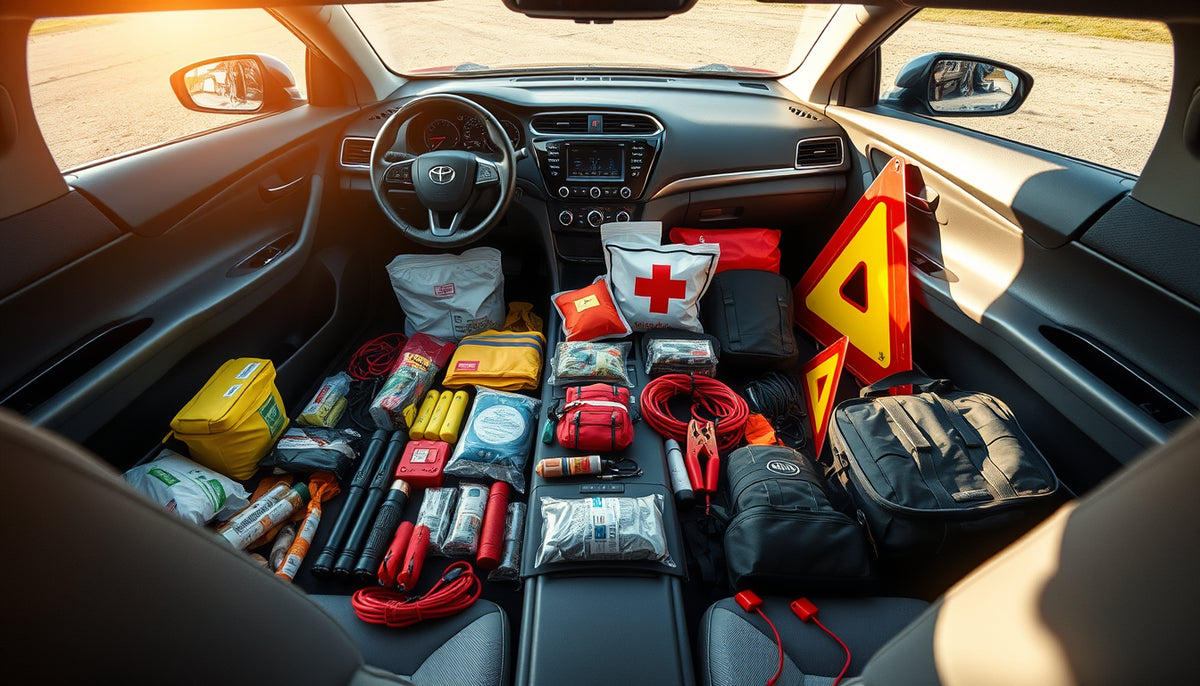

Let's be real – nobody wants to think about car emergencies. We'd all prefer to cruise down the highway without a care in the world, blasting our favorite music and enjoying the open road. But here's the thing: life doesn't always cooperate with our preferences. Breakdowns happen. Accidents occur. Flat tires are basically a rite of passage for any driver. And when these situations pop up unexpectedly, you'll be grateful you took the time to prepare.
That's where car emergency kits come in. They're like the superheroes of your vehicle – quietly waiting in the trunk, ready to save the day when things go sideways. But not all emergency kits are created equal. Some are packed with useless gadgets you'll never need. Others are missing the essentials that could actually make a difference. So how do you know which one to grab before you hit the road?
This guide is going to walk you through everything you need to know about choosing the best car emergency kit for your needs. We'll break down what makes a kit worth buying, what items actually matter, and how to avoid wasting money on stuff that'll just collect dust in your trunk. By the end of this, you'll be equipped with the knowledge to make a smart decision that could genuinely help you out when you need it most.
Understanding Why You Need a Car Emergency Kit
Before we dive into the specifics of what makes a great emergency kit, let's talk about why having one matters in the first place. I know, I know – it's not the most exciting topic. But stick with me here because this context is actually pretty important.
The Reality of Car Emergencies
Think about your daily commute or that road trip you're planning. You're probably not expecting anything to go wrong, right? Most of us aren't. We assume our cars will start, our tires will stay inflated, and we'll reach our destination without incident. And honestly, most of the time that's exactly what happens. But statistically speaking, if you drive long enough, you're going to encounter some kind of automotive issue.
Maybe it's a flat tire on a lonely stretch of highway. Maybe your battery dies in a parking lot and you need to jump-start your vehicle. Maybe you get into a minor fender bender and need to document the scene. Maybe you break down in bad weather and need to stay warm while waiting for help. These aren't hypothetical scenarios – they're things that happen to real people every single day.
The difference between a minor inconvenience and a major crisis often comes down to preparation. When you have the right tools and supplies on hand, you can handle these situations calmly and effectively. Without them, you're stuck calling for help and hoping someone arrives quickly.
The Peace of Mind Factor
There's also something to be said for the psychological benefit of having an emergency kit in your car. Knowing that you're prepared for common roadside issues gives you confidence. You can take longer road trips without anxiety. You can drive in bad weather without as much worry. You can navigate unfamiliar areas without that nagging feeling that something might go wrong and you won't know how to handle it.
That peace of mind is actually worth something. It reduces stress, makes driving more enjoyable, and allows you to focus on the road instead of worrying about what you'd do if something happened.
What Makes a Quality Car Emergency Kit
Now that we've established why emergency kits matter, let's talk about what separates a good kit from a mediocre one. There are several factors that determine whether a kit is actually useful or just taking up space in your trunk.
Organization and Accessibility
Here's something that a lot of people overlook: how the kit is organized matters just as much as what's in it. Imagine you're stranded on the side of the road in the dark, and you need to find your flashlight. If everything in your kit is just thrown into a big bag or box, you're going to waste precious time digging through stuff. That's frustrating and potentially dangerous.
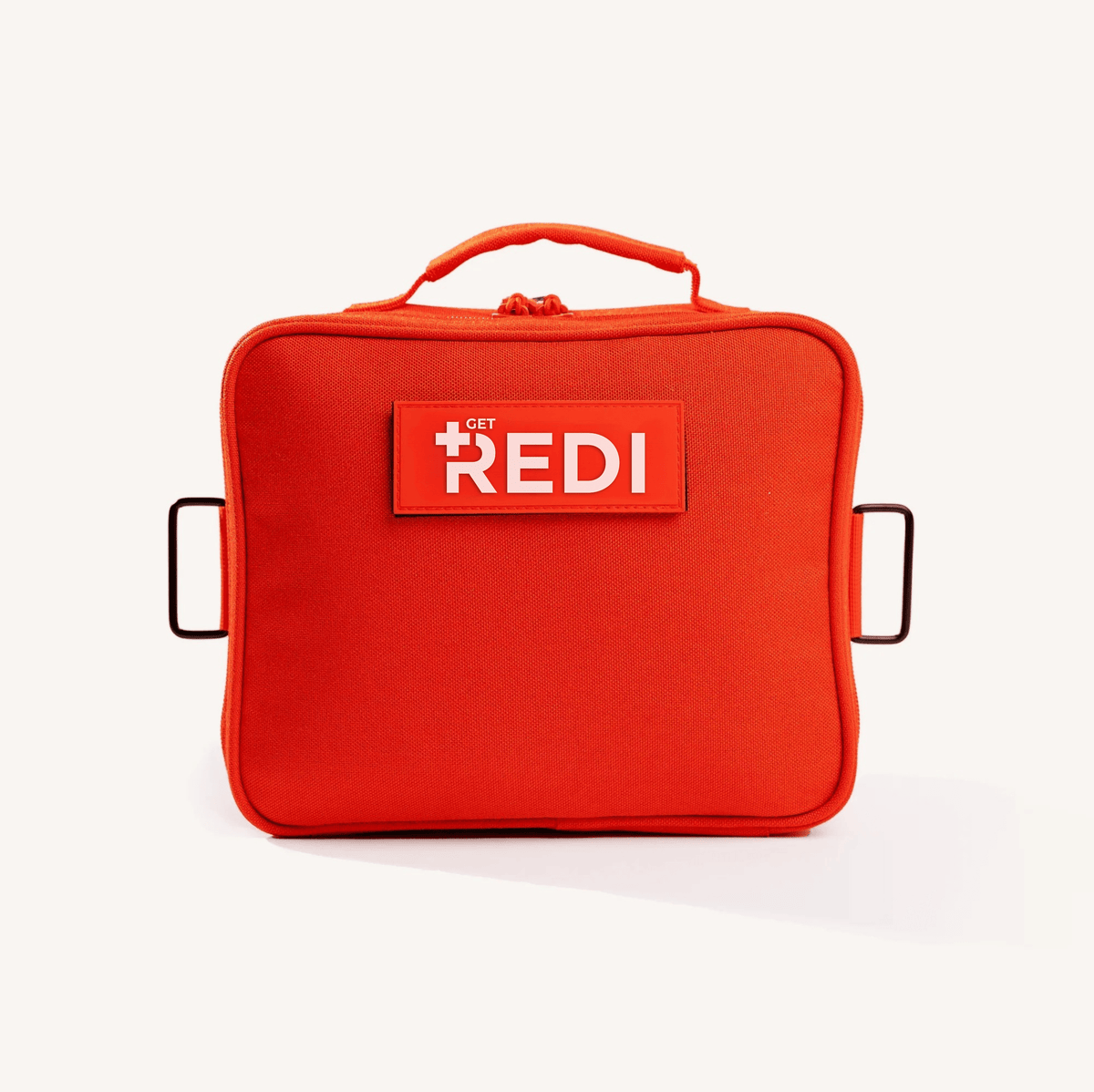
The best emergency kits use labeled, refillable pouches to keep everything organized and easy to find. When you can quickly locate exactly what you need without rummaging through a jumbled mess, you're much more likely to actually use the kit effectively. Plus, organized kits are easier to maintain – you can see at a glance what needs to be restocked.
Quality of Components
Not all first aid supplies are created equal. A cheap bandage might fall apart when you need it most. A low-quality flashlight might have a dead battery or a broken bulb. When you're choosing an emergency kit, pay attention to the quality of the individual components. Look for items from reputable brands that have good reviews and proven durability.
This doesn't mean you need to spend a fortune, but it does mean you should avoid the absolute cheapest options. Think of it as an investment in your safety and peace of mind.
Comprehensiveness
A good emergency kit should cover multiple types of situations. You need first aid supplies for minor injuries, roadside tools for mechanical issues, and survival essentials for unexpected situations. The kit should be comprehensive enough to handle common emergencies without being so bloated that it's impractical to keep in your car.
Refillability
Here's something that really sets quality kits apart: the ability to refill them. Once you use a bandage or a wipe from your kit, you should be able to replace it easily. Kits that come in sealed packages or that use proprietary supplies that are hard to find are frustrating. Look for kits that use standard, easily replaceable items that you can pick up at any pharmacy or store.
Essential Items Every Car Emergency Kit Should Include
Let's get into the nitty-gritty of what should actually be in your emergency kit. I'm going to break this down by category so you can understand why each item matters.
First Aid Supplies
Your emergency kit should definitely include basic first aid supplies. Here's what you need:
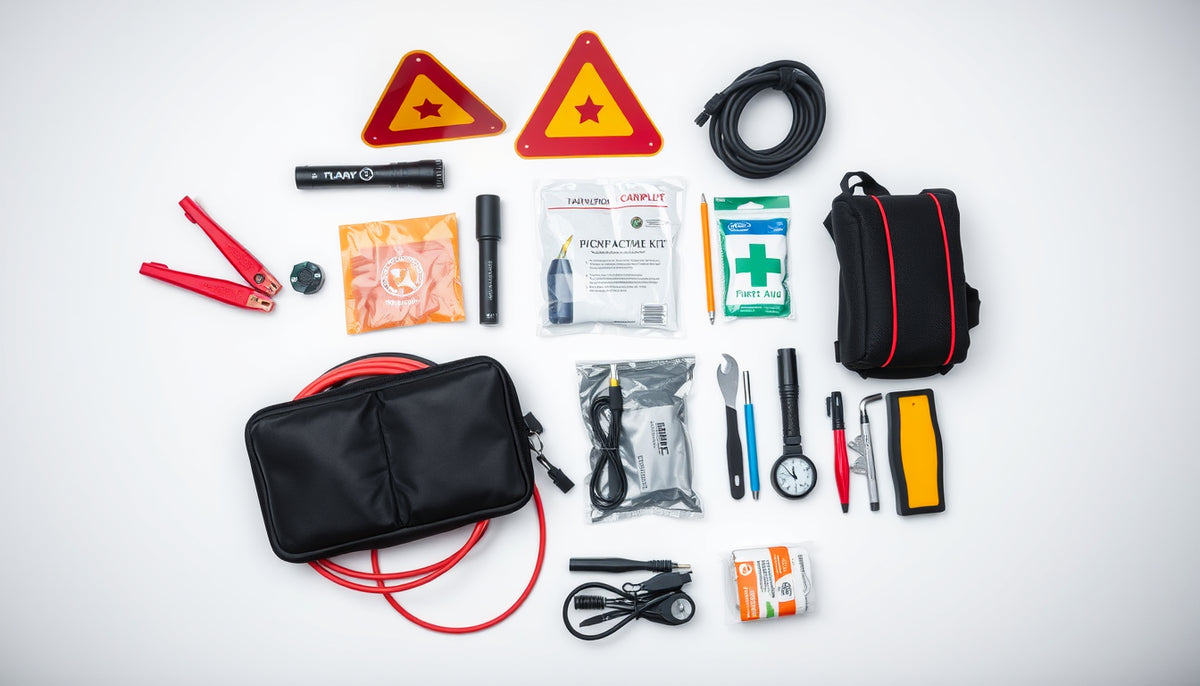
Bandages in various sizes are essential for treating minor cuts and scrapes. You'll want a mix of small bandages for minor cuts and larger ones for bigger wounds. Antibiotic ointment helps prevent infection and should be included. Antiseptic wipes or alcohol pads are crucial for cleaning wounds before bandaging them. Gauze pads and medical tape are useful for larger wounds that bandages won't cover. Pain relievers like ibuprofen or acetaminophen can help manage discomfort from injuries or headaches. Antihistamines are helpful if someone has an allergic reaction. Hydrocortisone cream can soothe minor skin irritations. A triangular bandage can be used as a sling or for larger wound coverage.
The key with first aid supplies is having enough to handle minor injuries without going overboard. You're not trying to replicate a hospital – you're just trying to manage small problems until you can get proper medical attention if needed.
Roadside Tools and Equipment
Beyond first aid, you need tools that can help you deal with common car problems:
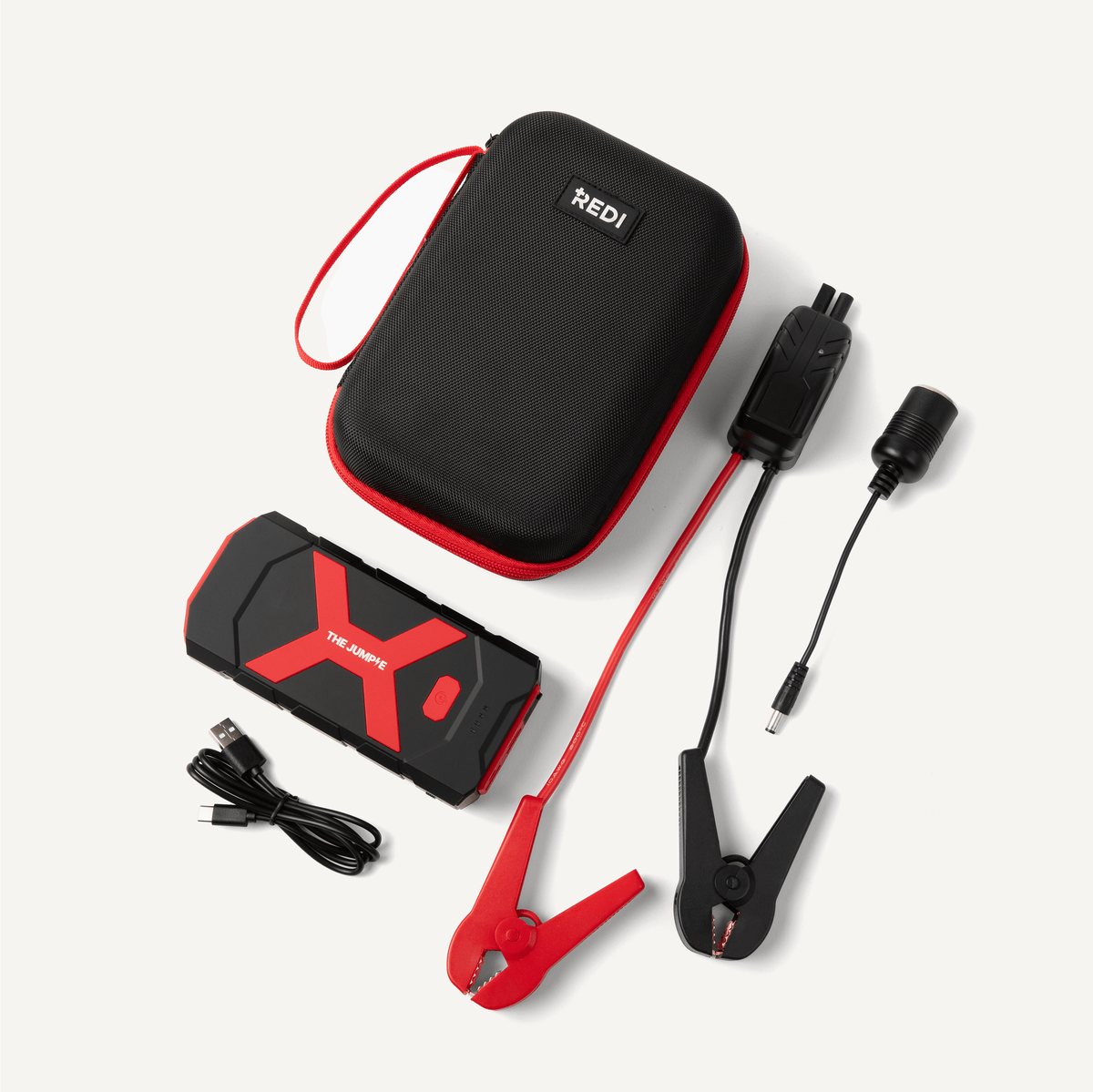
A flashlight is absolutely essential. You never know when you'll break down at night, and you need to be able to see what you're doing. Make sure it has fresh batteries or is rechargeable. A multi-tool or knife can be useful for various tasks. Jumper cables or a portable jump starter can help if your battery dies. A tire repair kit or plug kit can temporarily fix a flat tire. A tire pressure gauge helps you monitor your tire health. A basic tool set with wrenches, screwdrivers, and pliers covers most minor mechanical issues. Work gloves protect your hands when dealing with dirty car parts. A flashlight or headlamp with extra batteries ensures you can see in the dark. Duct tape and zip ties are surprisingly useful for temporary fixes. A blanket or emergency blanket can keep you warm if you're stranded.
Safety and Visibility Items
Making sure other drivers can see you is crucial for safety:
Reflective triangles or flares alert other drivers to your presence on the road. A high-visibility vest makes you more visible when you're outside your car. A whistle can help you signal for help if needed. Reflective tape can mark hazards or your vehicle.
Documentation and Communication
You'll also want items that help with communication and documentation:
A notepad and pen let you document accident details or leave notes. Your insurance information should be easily accessible. A phone charger or portable battery bank keeps your phone powered for calling for help. A list of emergency contacts ensures you can reach help if needed.
Survival Essentials
For longer trips or unexpected situations, consider including:
Bottled water keeps you hydrated if you're stranded. Non-perishable snacks provide energy. A basic emergency blanket or sleeping bag can keep you warm. Sunscreen protects your skin. Insect repellent can be useful depending on your location. A small mirror can help signal for help or check for injuries.
Different Types of Emergency Kits for Different Needs
Not everyone needs the same type of emergency kit. Your needs depend on several factors, including how much you drive, where you drive, and what kind of vehicle you have.
Basic Kits for Urban Drivers
If you primarily drive in cities and suburbs where help is always nearby, you can get away with a more basic kit. You mainly need items for minor injuries and basic roadside issues. A basic kit might include first aid supplies, a flashlight, jumper cables, and some basic tools. You don't need to go overboard because you're never far from help.
Comprehensive Kits for Frequent Travelers
If you take regular road trips or drive long distances, you need a more comprehensive kit. This should include everything in a basic kit plus additional supplies for survival situations. You might need extra water, more substantial snacks, a more complete tool set, and items for dealing with weather emergencies. When you're far from civilization, being well-prepared is crucial.
Specialized Kits for Specific Conditions
If you drive in specific conditions – like mountains, deserts, or areas with harsh winters – you might want a kit tailored to those conditions. A winter kit might include extra blankets, hand warmers, and items for dealing with snow and ice. A desert kit might emphasize water and sun protection. A mountain kit might include items for dealing with altitude and rough terrain.
Family-Oriented Kits
If you frequently drive with children, you might want a kit that includes items specifically for kids. This might include extra snacks, entertainment items to keep kids calm if you're stranded, and first aid supplies appropriate for children.
How to Evaluate Emergency Kits Before Buying
When you're shopping for an emergency kit, there are several things you should look for to make sure you're getting a quality product.
Read Reviews and Ratings
Before buying any emergency kit, check out what other people are saying about it. Look for reviews on multiple platforms – Amazon, the manufacturer's website, automotive forums, and consumer review sites. Pay attention to what people say about the quality of components, the organization of the kit, and whether it actually held up in real emergencies.
Be skeptical of kits that have mostly five-star reviews with no criticism – those are often fake. Look for reviews that mention specific pros and cons. If multiple reviewers mention the same issue, that's a red flag.
Check What's Included
Make a list of items you think you need, then compare it to what's included in the kit you're considering. Does it have everything you want? Are there items included that you don't think you'll need? Sometimes kits include a bunch of stuff just to inflate the item count, when you'd be better off with fewer, higher-quality items.
Consider the Organization
Look at how the kit is organized. Are items in labeled pouches? Can you easily see what's included? Is it organized in a way that makes sense? A well-organized kit is much more practical than one where everything is just thrown together.
Evaluate the Quality
Look at the materials used in the kit itself. Is it a durable bag or case? Will it hold up to being bounced around in your trunk? Check the quality of individual items. Are they from reputable brands? Do they look like they'll actually work when you need them?
Look for Refillability
Can you easily replace items once you use them? Are the supplies standard items you can find at any store, or are they proprietary products that are hard to source? A kit that's easy to refill is much more practical long-term.
Check for Certifications or Awards
Some emergency kits have been tested and certified by third parties. Others have won awards from reputable organizations. These certifications and awards can give you confidence that the kit is actually good. For example, if a kit has been voted number one by a major news organization, that's a pretty good sign it's worth considering.
Consider the Price
Emergency kits range from under fifty dollars to several hundred dollars. More expensive doesn't always mean better, but extremely cheap kits are often low quality. Look for a kit that offers good value – quality components at a reasonable price. Think about it as an investment in your safety.
Common Mistakes People Make When Choosing Emergency Kits
Let me share some common mistakes I've seen people make when shopping for emergency kits, so you can avoid them.
Buying Based on Price Alone
The cheapest kit isn't always the best deal. A super cheap kit might have low-quality components that don't work when you need them. You're better off spending a bit more for quality items that will actually help in an emergency.
Choosing Kits with Unnecessary Items
Some kits include a ton of stuff that sounds cool but that you'll never actually use. A kit with fifty items might sound impressive, but if half of them are useless, you're just paying for clutter. Focus on kits with items you'll actually need.
Ignoring Organization
I can't stress this enough – organization matters. A kit with great items but terrible organization is frustrating to use. You want to be able to quickly find what you need without digging through a mess.
Not Considering Your Specific Needs
A kit that's perfect for someone who drives mostly in the city might not be ideal for someone who takes frequent road trips. Think about your specific situation and choose a kit that matches your needs.
Buying and Forgetting
Some people buy an emergency kit, throw it in their trunk, and never think about it again. But emergency kits need maintenance. You should periodically check that everything is still there, that batteries haven't died, and that supplies haven't expired. Set a reminder to check your kit a couple times a year.
Not Having Backup Supplies
Even the best emergency kit might not have enough of everything. Consider keeping backup supplies of frequently used items like bandages, pain relievers, and batteries.
Maintaining Your Emergency Kit
Once you've chosen and purchased your emergency kit, you need to maintain it properly to ensure it's ready when you need it.
Regular Inspections
Check your kit every few months. Make sure nothing has been damaged, that batteries still work, and that supplies haven't expired. If you find expired items, replace them. If batteries are dead, swap them out for fresh ones.
Restocking After Use
If you actually use items from your kit, replace them as soon as possible. Don't let your kit get depleted. It's easy to think you'll replace things later, but then you forget and your kit isn't ready for the next emergency.
Seasonal Updates
Consider updating your kit seasonally. In winter, you might want to add extra blankets and hand warmers. In summer, you might want to add extra water and sunscreen. Adjusting your kit to match the season ensures you're prepared for weather-specific emergencies.
Keeping It Accessible
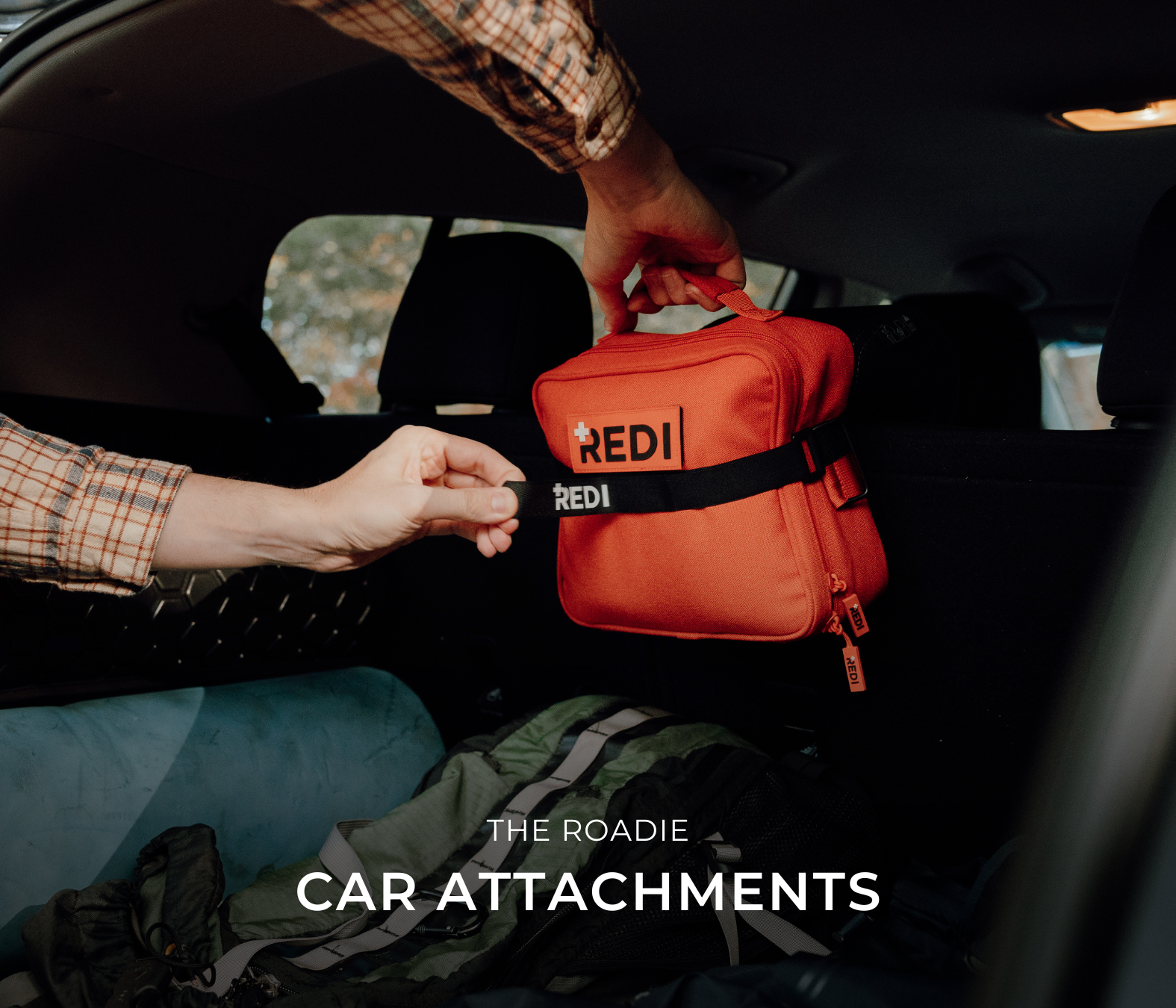
Make sure your emergency kit is easily accessible in your car. Don't bury it under a bunch of other stuff in your trunk. You want to be able to grab it quickly if you need it.
Teaching Others
If other people drive your car, make sure they know where your emergency kit is and what's in it. If you're a parent, teach your kids about the kit and how to use basic items like a flashlight or first aid supplies.
The REDI Difference: What Sets Quality Kits Apart
When you're looking at different emergency kits on the market, you'll notice that some stand out from the crowd. The best kits share certain characteristics that make them genuinely useful rather than just taking up space.
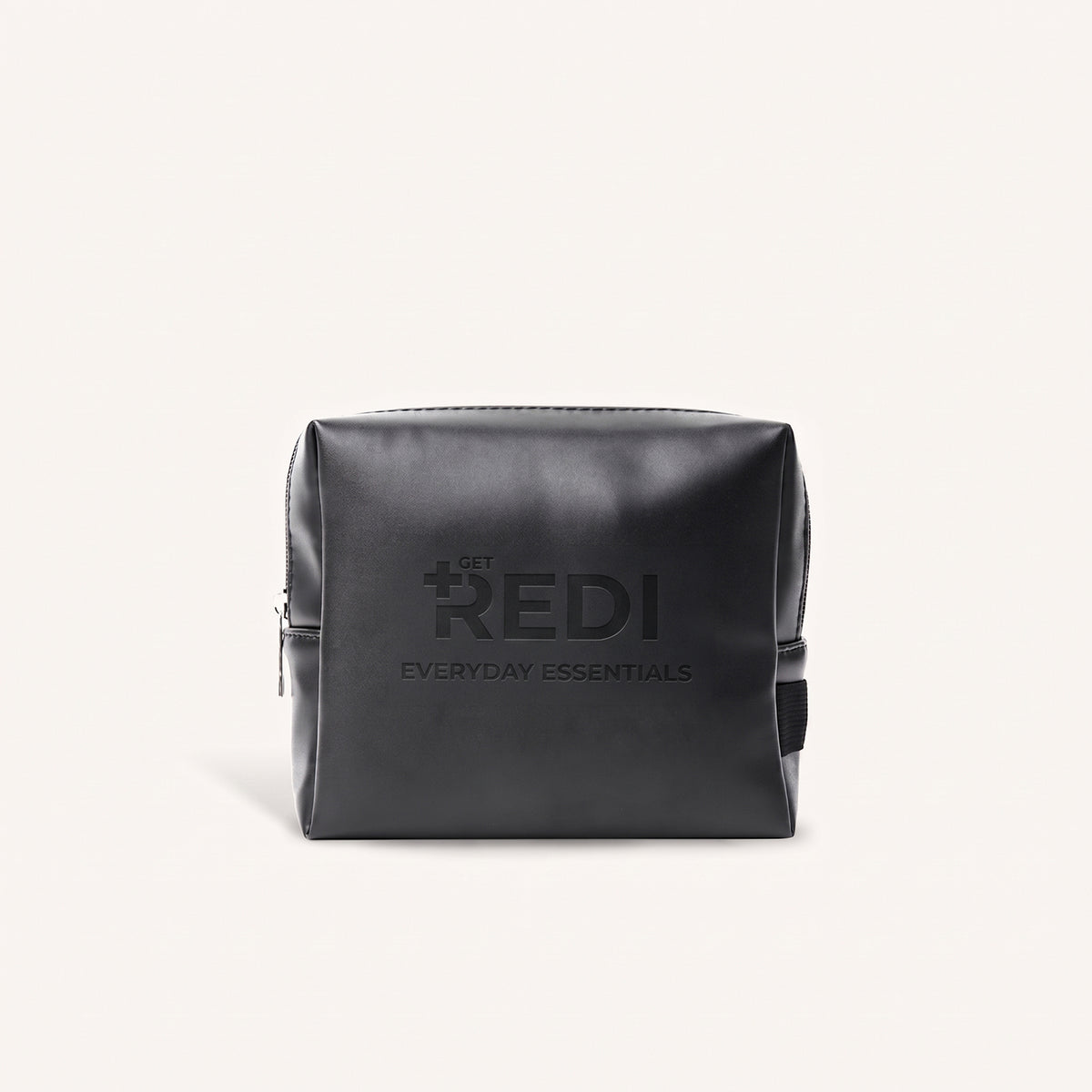
Quality emergency kits are organized with labeled, refillable pouches that make it easy to find what you need quickly. They include items that are actually useful for common emergencies rather than gimmicky gadgets. They use components from reputable brands that have proven durability. They're designed to be maintained and refilled easily. And they're made with attention to detail and quality.
When a kit has been voted number one by major news organizations and is made by a company with a reputation for quality, that's a good sign you're getting something worth your money. These kits aren't just thrown together – they're carefully curated by people who understand what actually matters in an emergency.
Real-World Scenarios: When Your Emergency Kit Matters
Let me paint some pictures of real situations where having a good emergency kit makes a huge difference.
Scenario One: The Flat Tire
You're driving home from work on a Friday evening when you hear that unmistakable sound – a flat tire. You pull over to the side of the road, and it's starting to get dark. You pop your trunk and grab your emergency kit. Inside, you find a flashlight so you can see what you're doing, a tire repair kit to temporarily fix the tire, and work gloves to keep your hands clean. You're able to get your tire fixed well enough to drive to a repair shop, and you're home in time for dinner. Without your kit, you would have been stuck waiting for road