
Let's be real for a second. You're driving down the highway, minding your own business, when suddenly your car makes a weird noise. Your tire goes flat. You get into a minor accident. Someone in your car gets hurt. Or maybe you just break down in the middle of nowhere with no cell service. These aren't fun scenarios to think about, but they happen to people every single day. The difference between a stressful nightmare and a manageable situation? Being prepared. That's where readiness kits come in, and honestly, they're one of the smartest investments you can make for your vehicle.
If you've never heard of a readiness kit before, don't worry. You're not alone. But after reading this guide, you'll understand why having one in your car isn't just a good idea—it's essential. We're going to break down everything you need to know about readiness kits, why they matter, what should be in them, and how to actually use them when things go sideways.
Understanding the Basics: What Exactly Is a Readiness Kit?
A readiness kit is basically your car's insurance policy against the unexpected. It's an organized collection of essential items designed to help you handle emergencies, minor repairs, and survival situations while you're on the road. Think of it as a carefully curated survival kit specifically designed for drivers and passengers.
The concept is simple but powerful: instead of scrambling around in your trunk looking for a flashlight that might not have batteries, or trying to remember where you put that first aid kit from five years ago, everything you need is organized, labeled, and ready to go. A quality readiness kit takes the guesswork out of emergency preparedness.
What makes a readiness kit different from just throwing random stuff in your trunk is the organization. Everything is sorted into specific categories—first aid, survival essentials, roadside assistance tools—and stored in labeled, refillable pouches. This means you can actually find what you need when you need it, without wasting precious time digging through a mess of supplies.
Why You Actually Need a Readiness Kit
Let's talk about why this matters. According to various studies, the average driver will experience some kind of roadside emergency at least once every few years. That could be a flat tire, a dead battery, an accident, or a medical emergency. When these things happen, being prepared can literally be the difference between a minor inconvenience and a major disaster.
Think about it this way: if you get a flat tire on a busy highway at night, would you rather have a flashlight, warning triangles, and the tools to change your tire? Or would you rather be fumbling around in the dark, hoping a car doesn't hit you? The answer is obvious. A readiness kit gives you the tools and supplies to handle these situations safely and effectively.
Beyond just safety, a readiness kit also gives you peace of mind. Knowing that you're prepared for common emergencies means you can drive with confidence. You're not constantly worried about what might happen because you know you have the supplies to handle it.
There's also the practical side. If you break down on the side of the road and you have the right supplies, you might be able to fix the problem yourself and get back on the road quickly. That saves you money on towing services and gets you to your destination faster. Even if you can't fix the problem yourself, having supplies like water, snacks, and a first aid kit makes waiting for help much more comfortable.
The Different Types of Readiness Kits
Not all readiness kits are created equal. Depending on your needs and lifestyle, you might want different types of kits or a combination of them. Let's break down the main categories.
First Aid Kits
A first aid kit is absolutely essential for any vehicle. This is your go-to resource for handling medical emergencies, from minor cuts and scrapes to more serious injuries. A good first aid kit should include bandages of various sizes, antiseptic wipes, pain relievers, antihistamines, antibiotic ointment, gauze pads, medical tape, elastic bandages, tweezers, scissors, and gloves.
The key to a good first aid kit is making sure everything is organized and easy to find. When someone is injured, you don't want to be searching through a jumbled mess of supplies. That's why many readiness kits come with first aid supplies organized in labeled pouches. You can quickly grab what you need without wasting time.
Roadside Assistance Kits
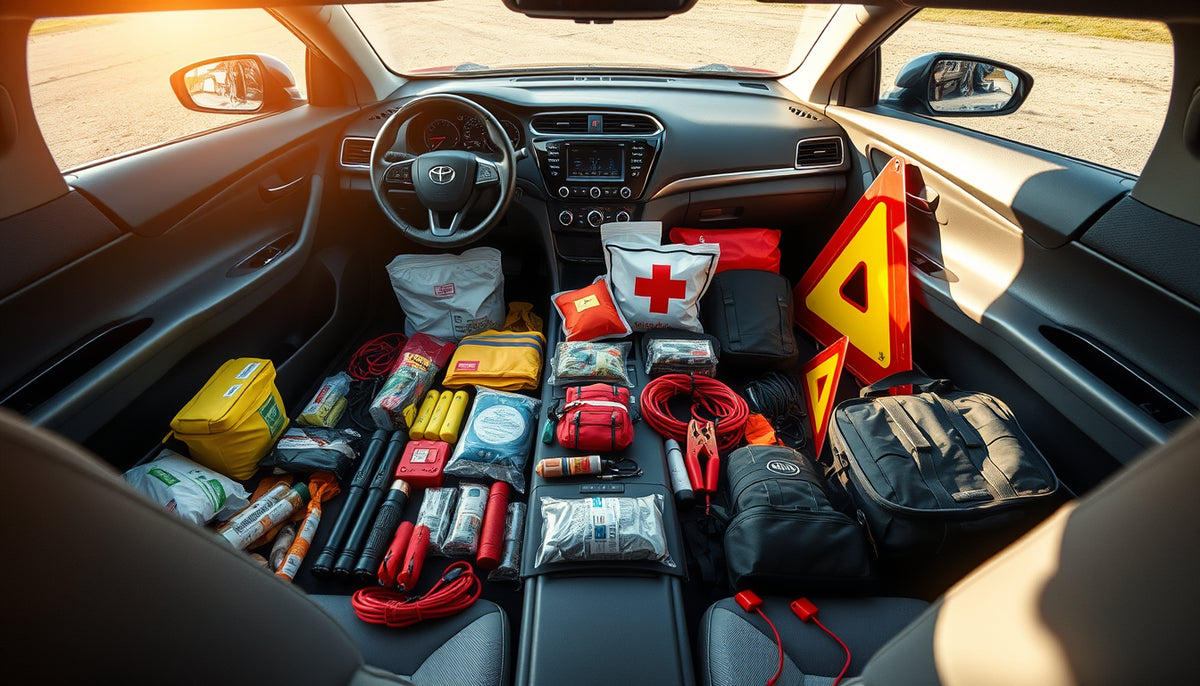
These kits contain tools and supplies specifically designed to help you handle common roadside emergencies. We're talking about things like jumper cables, a tire repair kit, a flashlight, warning triangles, a multi-tool, and basic tools like a wrench and screwdriver. If you get a flat tire or your battery dies, these are the supplies that will help you get back on the road.
A quality roadside assistance kit should include items that actually work and are appropriate for your vehicle. There's no point in having a tire repair kit if you don't know how to use it, so make sure you familiarize yourself with everything in your kit.
Survival Kits
Survival kits are designed for more serious situations where you might be stranded for an extended period. These typically include items like water, non-perishable snacks, a blanket or emergency bivy, a whistle, a compass, a map, and perhaps a small emergency shelter. If you're stranded in bad weather or in a remote area, these supplies can be lifesaving.
The specific contents of a survival kit might vary depending on where you live and the types of roads you typically drive on. Someone who frequently drives through remote mountain areas might want different supplies than someone who mostly drives in the city.
Weather-Specific Kits
Depending on where you live, you might want to customize your readiness kit for specific weather conditions. If you live in a snowy climate, you might want to include items like a snow shovel, sand or kitty litter for traction, and extra blankets. If you live in a hot climate, you might want extra water and sunscreen. If you live in an area prone to severe storms, you might want additional emergency supplies.
What Should Be in Your Readiness Kit?
Now let's get into the specifics. What exactly should you have in your readiness kit? The answer depends on your specific situation, but here's a comprehensive list of items that most people should consider including.
Essential Tools
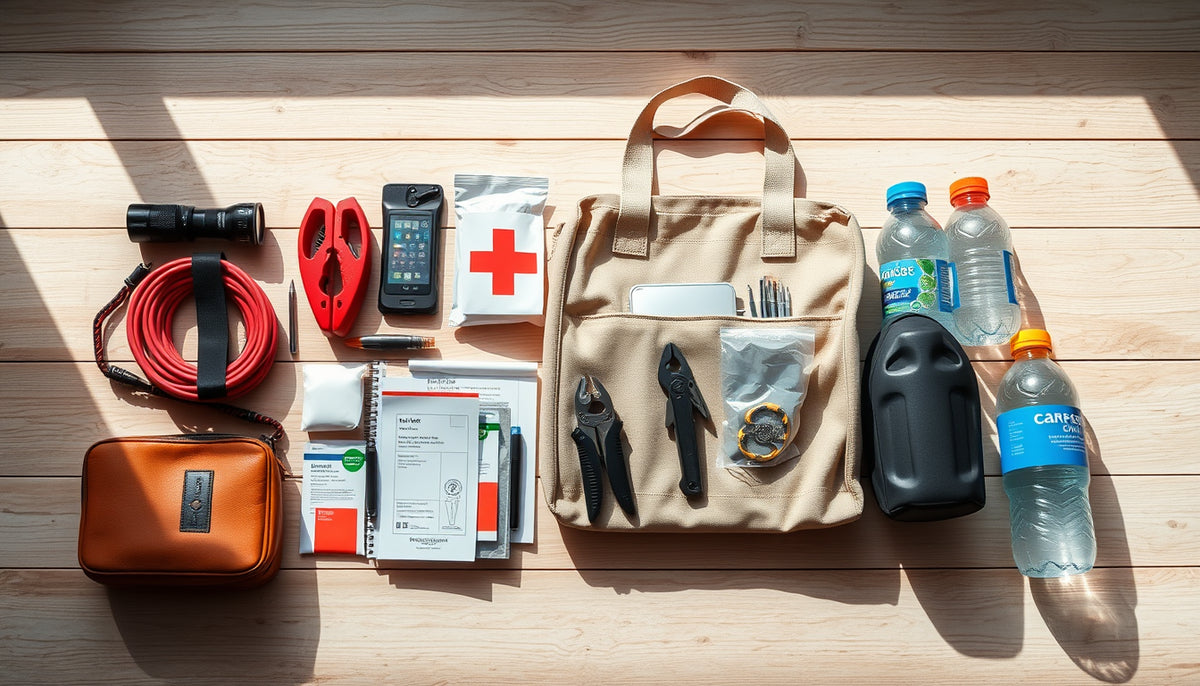
Start with the basics. You should have a multi-tool or a basic set of tools that includes a wrench, screwdriver, pliers, and a hammer. These tools can help you handle minor repairs or adjustments to your vehicle. A tire repair kit is also essential. This should include tire plugs, a reamer tool, and an applicator. If you get a puncture, you might be able to repair it yourself without needing to call for help.
A flashlight is absolutely critical. Make sure it's bright, durable, and has extra batteries. You might also want to include a headlamp, which frees up your hands while you're working on your car. A jumper cable set is essential for dead battery situations. Make sure you know how to use it before you need it.
Safety and Warning Items
Warning triangles or flares are crucial for alerting other drivers that you're on the side of the road. These can prevent accidents and keep you safe while you're dealing with your emergency. A high-visibility vest makes you more visible to other drivers, which is especially important at night or in bad weather.
A first aid kit, as we mentioned, is absolutely essential. Make sure it's well-stocked and organized. You should also include a CPR face shield or barrier device if you're trained in CPR.
Survival and Comfort Items
Water is critical. You should have at least a few bottles of water in your kit. Dehydration can set in quickly, especially in hot weather. Non-perishable snacks like granola bars or nuts can provide energy if you're stranded for a while.
A blanket or emergency bivy can be lifesaving if you're stranded in cold weather. Even if it's not that cold, having something to stay warm with is important. A whistle can help you signal for help if you're in a remote area. A small emergency shelter or tarp can protect you from rain or sun while you wait for help.
Communication and Navigation
A phone charger is essential in today's world. A portable power bank can keep your phone charged even if you're stranded for hours. A map of your area can be helpful if you lose cell service and your GPS stops working. A compass can help you orient yourself if you're lost.
Vehicle-Specific Items
Depending on your vehicle, you might want to include items like extra oil, coolant, or transmission fluid. A spare serpentine belt can be a lifesaver if yours breaks. Extra fuses appropriate for your vehicle can help if you have electrical issues. A spare key hidden in a secure location can help if you lock yourself out of your car.
How to Organize Your Readiness Kit
Organization is key to having an effective readiness kit. If everything is jumbled together, you won't be able to find what you need when you need it. That's why many quality readiness kits come with labeled, refillable pouches that organize supplies by category.
Here's how to think about organization. Group similar items together. All your first aid supplies should be in one pouch. All your roadside assistance tools should be in another. All your survival items should be in a third. This way, when you have an emergency, you know exactly where to look.
Label everything clearly. Use waterproof labels so they don't get damaged. Make sure the labels are easy to read, even in low light conditions. Consider using color-coded pouches so you can quickly identify what you need.
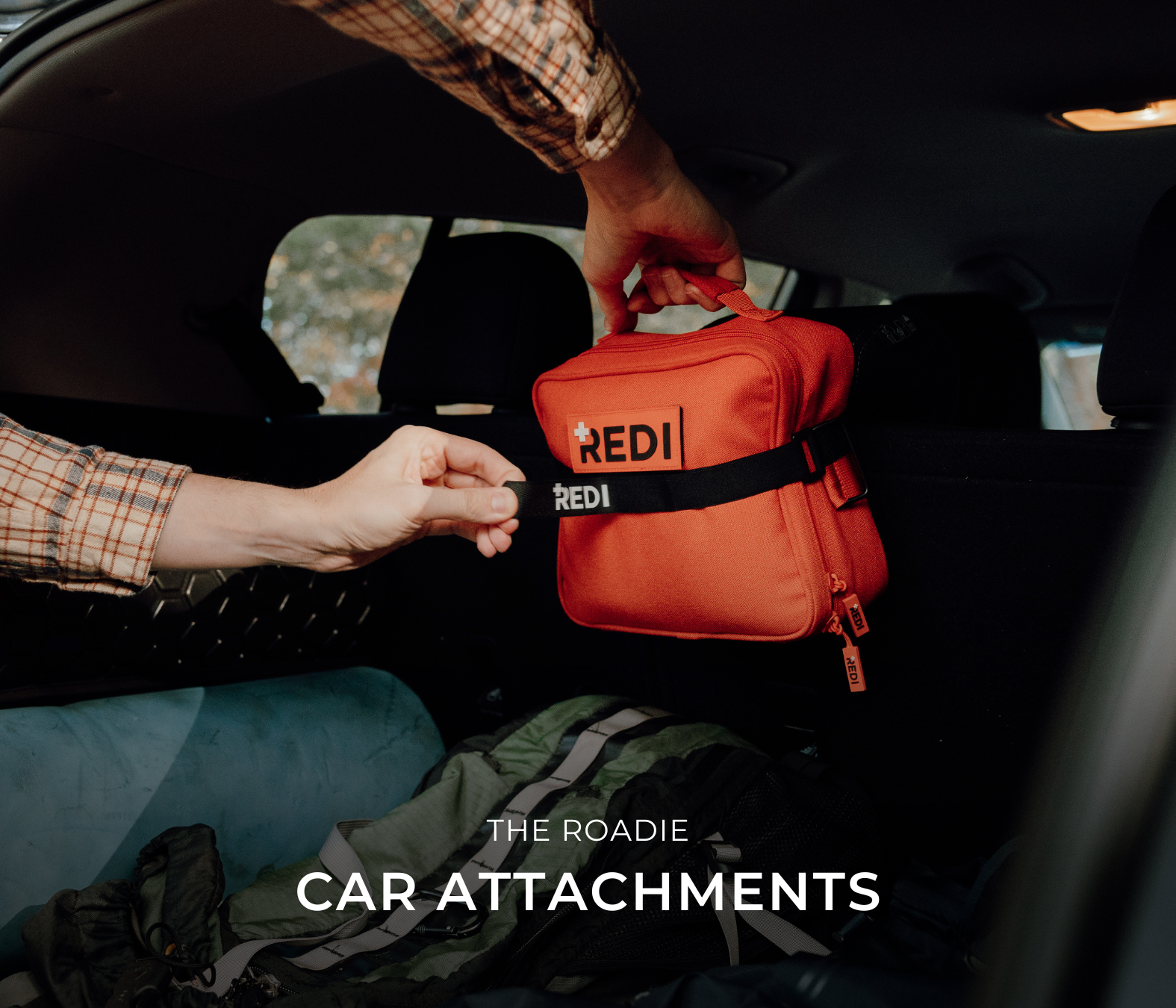
Make sure everything is easily accessible. Your readiness kit should be stored in a place in your car where you can quickly grab it. The trunk is usually a good option, but make sure it's not buried under other stuff. Some people prefer to keep their first aid kit in the cabin of the car where it's more accessible.
Regularly check your kit and replace items as needed. If you use something, replace it. If something expires, replace it. If something gets damaged, replace it. A readiness kit is only useful if everything in it actually works.
Building Your Own Readiness Kit vs. Buying Pre-Made Kits
You have two main options when it comes to getting a readiness kit: build your own or buy a pre-made kit. Both have advantages and disadvantages.
Building Your Own Kit
Building your own kit gives you complete control over what goes into it. You can customize it based on your specific needs and preferences. If you have a medical condition that requires specific supplies, you can include those. If you drive a specific type of vehicle, you can include tools and supplies appropriate for that vehicle.
The downside is that it takes time and effort. You need to research what should be included, source all the items, and organize them properly. You might also end up spending more money because you're buying items individually rather than as a package.
Buying Pre-Made Kits
Pre-made kits are convenient and often well-thought-out by professionals who know what's actually useful in emergency situations. They save you time and effort, and they're often reasonably priced. The downside is that they might include items you don't need and might not include items you do need.
If you go the pre-made route, look for kits that come with organized, labeled pouches. Look for kits that have been tested and reviewed by reputable sources. CNN voted REDI readiness kits as the number one option, which is a pretty good endorsement. These kits are made in Austin, Texas, and they're designed with the input of emergency professionals.
How to Use Your Readiness Kit in an Emergency
Having a readiness kit is great, but you also need to know how to use it. Let's walk through some common scenarios and how you'd use your kit.
Flat Tire
If you get a flat tire, first make sure you're in a safe location. Turn on your hazard lights and pull as far off the road as possible. If you're on a highway, consider calling for help rather than trying to change the tire yourself, as it's dangerous.
If you decide to change the tire yourself, use your warning triangles to alert other drivers. Put on your high-visibility vest. Get your tire repair kit out. If the tire is punctured, you might be able to use the tire plugs to repair it. If the tire is too damaged, you'll need to use your spare tire. Make sure you have a jack and lug wrench, which usually come with your vehicle.
Dead Battery
If your battery is dead, you'll need jumper cables and another vehicle with a working battery. Use your flashlight to see what you're doing. Connect the positive cable to the positive terminal on your dead battery, then to the positive terminal on the working battery. Connect the negative cable to the negative terminal on the working battery, then to an unpainted metal surface on your vehicle (not the negative terminal). Start the working vehicle and let it run for a few minutes, then start your vehicle.
Medical Emergency
If someone in your car is injured, use your first aid kit to provide basic care. Stop any bleeding with pressure and bandages. Clean wounds with antiseptic wipes. Apply antibiotic ointment and bandages to cuts. If someone is seriously injured, call 911 immediately.
Being Stranded
If you're stranded and can't fix the problem yourself, use your communication supplies to call for help. If you don't have cell service, use your whistle to signal for help. Stay with your vehicle, as it's easier for rescuers to find you. Use your survival supplies to stay comfortable while you wait. Drink water to stay hydrated. Eat snacks to maintain your energy. Use your blanket to stay warm if it's cold.
Maintaining Your Readiness Kit
A readiness kit is only useful if everything in it works. That means you need to maintain it regularly. Here's what you should do.
Regular Inspections
Check your kit at least twice a year. Look for items that are damaged, expired, or missing. Replace anything that needs replacing. Make sure batteries in your flashlight still work. Make sure your first aid supplies are still intact and not expired.
After Using Items
If you use anything from your kit, replace it as soon as possible. Don't wait until you need it again to realize it's gone. Keep a list of what you've used so you remember to replace it.
Seasonal Updates
Depending on where you live, you might want to update your kit seasonally. In winter, make sure you have extra blankets, sand or kitty litter for traction, and a snow shovel. In summer, make sure you have extra water and sunscreen. In spring and fall, make sure you have items for dealing with rain and wind.
Expiration Dates
Many items in your readiness kit have expiration dates. Water doesn't expire, but food does. First aid supplies might expire. Check expiration dates regularly and replace items as needed. Don't rely on expired supplies in an emergency.
The Psychology of Being Prepared
There's something powerful about being prepared. It's not just about having the physical supplies; it's about the mental shift that comes with knowing you're ready for emergencies. This is sometimes called the psychology of preparedness, and it's real.
When you have a readiness kit in your car, you drive with more confidence. You're not constantly worried about what might happen because you know you have the supplies to handle it. This reduces stress and anxiety, which actually makes you a better driver. Studies show that stressed drivers are more likely to make mistakes and get into accidents.
Being prepared also gives you a sense of control. Life is full of things we can't control, but we can control whether we're prepared for emergencies. This sense of control is psychologically beneficial. It reduces anxiety and increases confidence.
There's also something to be said for the peace of mind that comes with knowing you're taking care of yourself and your passengers. If you're a parent, having a readiness kit in your car means you're prepared to handle medical emergencies involving your children. That's a powerful feeling.
Common Mistakes People Make with Readiness Kits
Even with the best intentions, people often make mistakes when it comes to readiness kits. Let's talk about some common ones so you can avoid them.
Buying a Kit and Forgetting About It
The biggest mistake people make is buying a readiness kit and then never thinking about it again. They throw it in the trunk and forget it exists. Then, when they actually need it, they can't find it or the supplies are expired or damaged. Don't make this mistake. Regularly check your kit and maintain it.
Including Items You Don't Know How to Use
There's no point in including a tire repair kit if you don't know how to use it. Before you add something to your readiness kit, make sure you understand how to use it. If you don't, take the time to learn. Watch videos, read instructions, or ask someone who knows. In an emergency, you won't have time to figure it out.
Not Customizing for Your Situation
A generic readiness kit might not be perfect for your specific situation. If you have a medical condition, you might need specific supplies. If you drive a specific type of vehicle, you might need specific tools. If you live in a specific climate, you might need specific items. Take the time to customize your kit for your situation.
Storing It in an Inaccessible Location
If your readiness kit is buried under a bunch of stuff in your trunk, it's not going to help you in an emergency. Store it in a place where you can quickly access